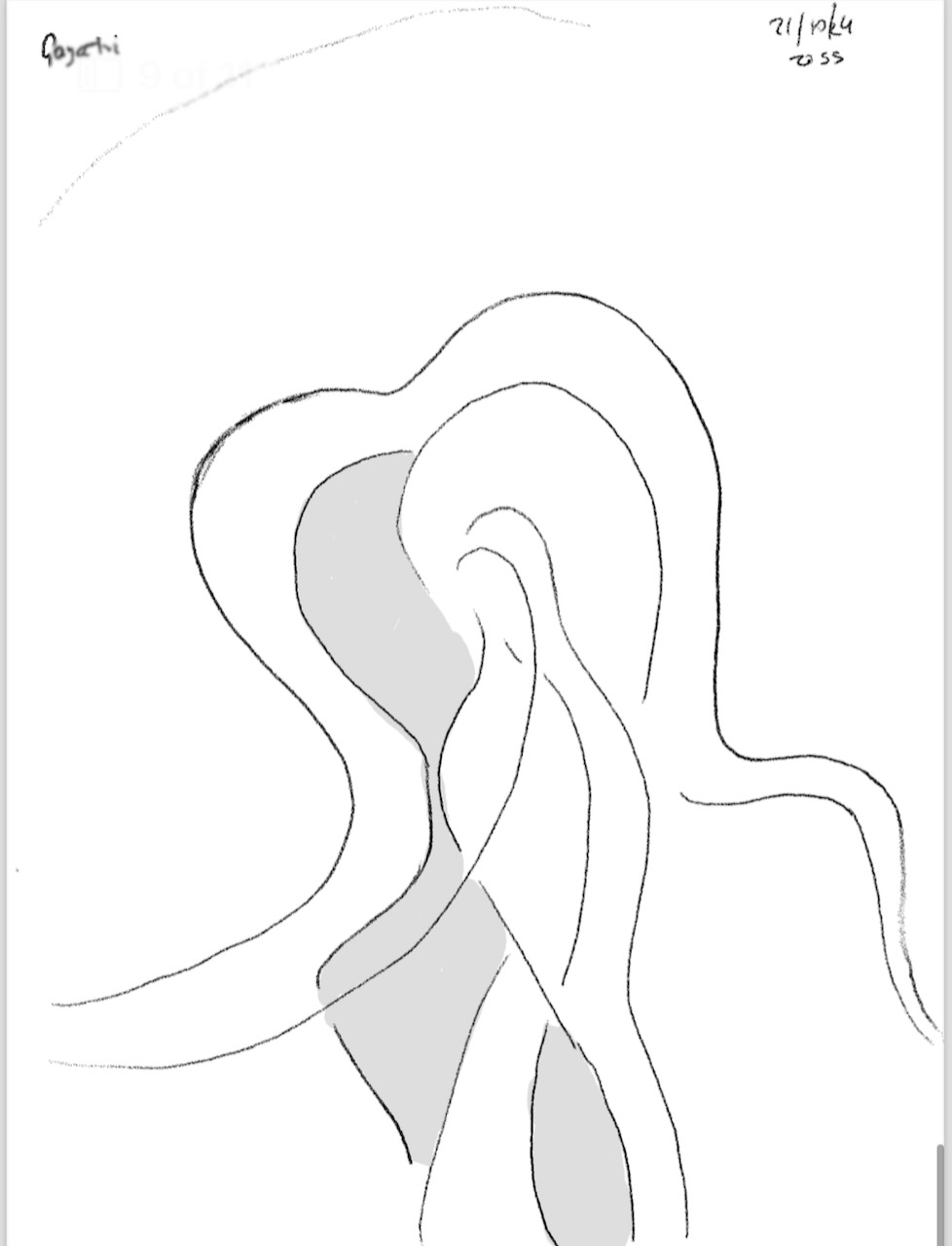
Riferimento: Eruzione a Santori come spiegazione della fine della civiltà minoica.
Museo Archeologico di Istanbul

Museo dell'Acropoli

Museo delle Civiltà Anatoliche

Antro della Sibilla Cumana

Tempio di Hathor

Tempio di Karnak

Tempio di Edfu

Tempio di Isis

La colonna del serpente

Sito archeologico eritreo

Museo Goulandris di Arte Cycladica

Museo Archeologico Nazionale di Atene

Delphi, riunire le Sibille

Acropoli e collina delle ninfe

Museo Archeologico di Heraklion. Seconda parte

Lira Antica — Primo Hymn Delfico ad Apollo — Thanasis Kleopas & Loukiani Papadaki
Museo Archeologico di Heraclione e Palazzo di Cnossos

Note sulla civiltà minoica
 febbraio 6, 2025
Note
Da varie letture e dai video qui sotto, ho preso le seguenti note:
- Le sacerdotesi minoiche guidavano una religione che venerava sia una dea femminile, la Dea dei Serpenti, sia un dio maschile, il Toro.
- La Dea dei Serpenti potrebbe essere la …
Il sussurro delle Ninfe - In loco - QR

Città natale di Parmenide

Scendendo all'inferno e ritorno

2024-11-28
novembre 28, 2024Chiedo chiarezza per spiegare il processo.
Tamara era vicina e mi ha raccontato che ha visto un tempio in Irlanda (Newgrange) al quale è riuscita ad andare durante il solstizio d’inverno. Capisco questo come una possibile pista.
Tradotto in italiano …
2024-11-26
novembre 26, 2024Sessione guidando Tamara. Io non chiedo nulla. Guida solo.
Tradotto in italiano da chatGPT
Ancora più vicino, altri abitanti

2024-11-24
novembre 24, 2024Chiedo chiarezza per la direzione in tutti gli aspetti.
Nella conversazione entro in un grande dolore e piango molto. È chiaro che devo lasciare andare tutto. Vedo che molti legami non esistono più. Semplicemente la connessione con alcune persone non …
La ricerca di...

Appunti su: Genere, Estasi e la Rivoluzione: Stati Alterati nei Riti Antichi... e altri.
novembre 23, 2024Il salone Ecologia, Cosmo & Consapevolezza, The October Gallery, Londra, 23 febbraio 2016
Donne folli che corrono sulle montagne senza la supervisione dei loro mariti, l’ingestione di concozioni alteranti la mente, danze notturne …
Maria Arnal e Marcel Bagés - Sibila
novembre 20, 2024Oggi non riesco a elaborare, per non parlare di scrivere, i legami che ho scoperto tra la ricerca su Sibila, la musica, l’arte, l’intelligenza artificiale e la mia storia personale dell’ultimo anno… ma lasciamo che il giorno e …
Dii, serpenti, Omphalos e Dioniso

2024-11-17
novembre 17, 2024Chiedo chiarezza per i problemi di relazione nella residenza. Non ci sono immagini, ma mi tranquillizzo.
Tradotto in italiano da chatGPT
Maricella
novembre 17, 2024
La ricerca di...
novembre 15, 2024
Firma, cerchio, identità
2024-11-12
novembre 12, 2024Mal di testa. Qualcosa non sta andando bene e non lo capisco.
Tradotto in italiano da chatGPT
Giornata Tecnica ... vedere i dettagli nella terza foto

2024-11-11
novembre 11, 2024Chiedo chiarezza… la mia preghiera di sempre. Chiedo dell’espressione fotografica del luogo e vedo “la foto”. Che già in quel momento capisco che è l’unica necessaria.
Propongo a un’amica di fare domande per lei… …
La ricerca di...
novembre 11, 2024
2024-11-10
novembre 10, 2024Dal video so che cercavo diversi modi per entrare nel campo dell’albero. Non ricordo nessuna domanda.
Tradotto in italiano da chatGPT
La Sibilla di Tibur camminava qui... la vedrebbero come il suo inferno?

Fosso Maricella
novembre 5, 2024
Villa Adriana e Villa d'Este, Tivoli

La foresta è in te… ma visitarla ci aiuta a ricordarla.
ottobre 28, 2024
Focus
ottobre 13, 2024
2024-10-12
ottobre 12, 2024Perché sono venuto qui?
Vedo l’immagine della copertina di un libro di biodinamica craniosacrale. Interpretazione del momento: Dio mi ha portato qui per leggere sulla biodinamica.
Come posso rappresentarlo artisticamente?
Vedo la pancia di una donna …
Tra luci e ombre della notte

Cineto Romano -> Vallinfreda - Cammino Dell’Aniene

Aniene. Parco Naturale Regionale dei Monti Simbruini

Villa di Orazio

Cammino della Sibilla / Cammino di San Benedetto

Risorse da Esplorare il Tantra
Nuovo Festival a Alicante. Open Art Festival, Quindici Nuove Prospettive sull’Arte Contemporanea
settembre 29, 2022Alicante,
Casa Planas,
Open Art,
Festival,
Las Cigarreras,
Exhibition,
Residencies,
Talks,
Workshops,
Casa Bardín,
Contemporary Art,
Museum Consortium

NFT per Artisti
aprile 6, 2022“NFT per Artisti” sono conferenze che organizziamo in collaborazione con Casa Planas e con l’aiuto di diversi artisti, curatori e gallerie per aprire un dibattito e costruire una comunità che affronti collettivamente la tecnologia NFT. Tutti gli eventi …
Esposizione: Il Massacro del Corpo
ottobre 3, 2021Loop Barcelona,
City Screen,
Gabriela Berti,
Francisca Trobok,
Colectivo Fantasía Collage,
Selfie_v2
In occasione di City Screen al Loop Festival a Barcellona, la Fondazione Ideograma presenta la esposizione di videoarte: “Il Massacro del Corpo.”
Questa esposizione ruota attorno alla costruzione di corpi post-capitali, quelli che lottano per porre fine al …
function("innocenza", 2019)
maggio 26, 2019
Ciutat de vacances - Metrópolis - RTVE
settembre 27, 2017Durante l’episodio, guidati dal suo curatore, esploriamo i progetti di artisti: Juan Aizpitarte, Ángela Bonadies, Domènech, Idensitat (Ramon Parramon e Gaspar Maza), Left Hand Rotation, Ángel Marcos, Neus Marroig, Marc Morell, Ana A. Ochoa, Irene …
Fotografia di strada con un iPhone
marzo 16, 2015Una fotocamera è un insieme di capacità e limitazioni. La capacità più notevole degli smartphone è che sono “invisibili” e sempre con noi. Per la maggior parte delle persone il fatto che tutto sia automatico è anche un vantaggio, ma per la fotografia di …
New York, New York... l’edizione “memoria”
ottobre 27, 2014Ho voluto condividere un flusso di lavoro che sto esplorando. Di solito modifichiamo le foto con un sistema sequenziale di più passaggi. Nel caso delle mie foto, cerco di lasciare un lungo intervallo tra un passaggio e l’altro, mesi o anni.
Il ciclo …
Un Viaggio Personale, Parte Due
luglio 30, 2013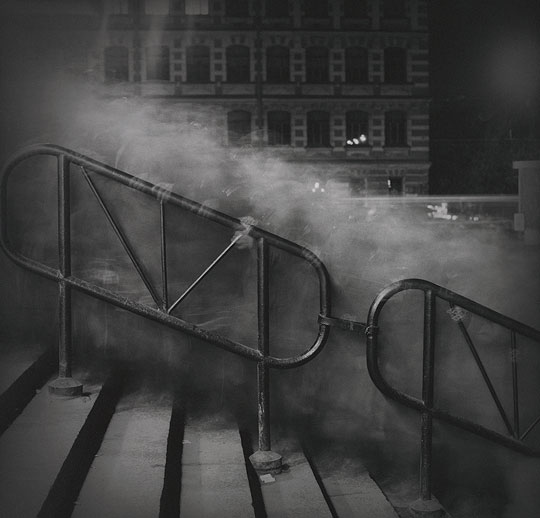
Città delle Ombre – © Alexey Titarenko
Fabbriche di Software
giugno 25, 2013Ricorda una fabbrica… una del primo Novecento. Potresti ricordare alcune immagini iconiche di Lewis W. Hine.
Dobbiamo fotografare le nostre fabbriche del XXI secolo. Catturo gli spazi in cui lavoro come ingegnere del software.
Schede di contatto
giugno 25, 2013Sicurezza Informatica,
E2dk,
Edonkey,
Fotografia Trovata,
Reti Grigie,
Intimità,
Fotografia,
Post-Fotografia,
Privacy
Come parte della mia ricerca sull’Intelligenza Artificiale, ho creato queste schede di contatto dei volti che l’algoritmo rileva.
Puoi leggere di più sulla mia ricerca qui.
Puoi anche visualizzare l’archivio completo delle schede di …
fotometro.org nei media
giugno 13, 2013I giornali El Periódico, La Vanguardia e El País hanno scritto articoli sul Circuit 2013 e tutti includono menzioni del fotometro.org, con cui Barcelona Photobloggers partecipa a questo festival dedicato alla fotografia documentaria e al foto giornalismo. …
Fasce di negozio

Un Viaggio Personale
marzo 25, 2013
Ubiquography una mostra fotografica mobile in tempo reale a livello mondiale

Influenze: Alexey Titarenko
maggio 7, 2012
Fotografies: Street Photography
febbraio 24, 2012Il 24 febbraio alle 21:45, il programma Fotografies su ‘channel 33’ ha trasmesso un speciale sulla street photography per il quale ho avuto la fortuna di essere intervistato.
I miei compagni d’avventura erano incredibili: Eugeni Forcano, Paco Elvira e Rafa …
Ubiquography in La Vanguardia
febbraio 2, 2012Il giornale La Vanguardia ha scritto un articolo sul progetto Ubiquography guidato da Barcelona Photobloggers. Grazie mille!

Il mio libro "22" come eBook
novembre 21, 2011Rivedendo la cassetta dei ricordi ho trovato il progetto finale che ho realizzato per la mia laurea in «University Analyst of
Information Systems», un corso intermedio del programma di ingegneria presso l’Università Tecnologica Nazionale. Si tratta … Il giornale El Periódico ha scritto un articolo sul progetto “Brangulí era qui. E tu?" promosso da Barcelona Photobloggers e CCCB. Grazie mille! La settimana scorsa un centro culturale a Barcellona mi ha contattato per ottenere idee riguardo a un progetto. Abbiamo parlato per alcune ore e gli ho raccontato della mia esperienza con Barcelona Photobloggers per quanto riguarda l’organizzazione di … Dopo molta riflessione, questa è la serie che ho presentato al London Street Photography Festival. Dubito che vincerà, ci sono molte persone molto bravi nel mondo della fotografia di strada, ma almeno il processo di selezione serve sempre come un sistema … Una donna nera porta una ragazza asiatica, entrambe con ombrelli, attraversando le barriere di protezione anti‑terrorismo che circondano l’edificio di Wall Street. Dietro di loro un uomo bianco, vestito in abbigliamento da lavoro, chiede un hotdog. … Oggi diventa ufficiale la mia incorporazione al collettivo Street 35. Street 35 è un collettivo il cui scopo è diffondere e godere della fotografia di strada. Inizialmente formato da Marcelo Caballero, Carlos Prieto, Rafa Pérez, Domingo Venero Barberán e … Nel 2002, il laboratorio dove solitamente sviluppavo le mie pellicole ha ridotto il prezzo dello “sviluppo su CD” e ho iniziato a chiedere il supporto digitale. All’inizio del 2003 avevo già deciso di abbandonare la carta. La dematerializzazione delle mie … All’età di 6 anni ho chiesto una bicicletta per il mio compleanno. A 7 ho ricevuto una fotocamera, una Kodak Brownie Fiesta. Ora guido una moto e porto con me una reflex digitale. Il sogno di viaggiare non è cambiato. La cosa curiosa è che viaggio … L’estate scorsa siamo andati a New York. Pensavo: “Estate! New York! Coney Island!” Avevo una foto di Bruce Gilden che mi fissava la testa. Ma non è potuto succedere; non c’era un solo giorno senza pioggia… e siamo tornati a casa, di nuovo alla … In the workshop Living from Photography in the 21st Century the need to expand talks related to online marketing and social networks was felt. We thought we could continue the topic with an informal talk bringing together professional photographers on one … “Non c’è nulla in questo mondo che non abbia un momento decisivo”
Cardinale de Retz Ho sempre avuto una passione per la pittura. Da bambino, dipingevo il giovedì e la domenica, e in altri giorni sognavo di … Dalle sue origini la fotografia non è cambiata se non per gli aspetti tecnici, che, a mio parere, non sono di grande importanza. La fotografia sembra un’attività semplice; è un’operazione diversificata e ambigua in cui l’unico … Il giornale ADN ha scritto un articolo sull’esposizione “Dalla Rete al Muro II” organizzata da Barcelona Photobloggers e dalla galleria Fotonauta. Grazie mille! Gli organizzatori di CampusMac hanno invitato i Photobloggers di Barcellona a partecipare, e io ero lì a spiegare le quattro cose che so sulla fotografia. Qui puoi scaricare lo script breve (9 MB) che ho usato nella presentazione: “Principi della … Il giornale El País ha scritto un articolo sull’esposizione “Dalla rete al muro” organizzata da Barcelona Photobloggers e dalla galleria Fotonauta. Thank you very much! Negli ultimi anni, il fenomeno dei photoblog, un’estensione della cultura del blog dove la fotografia è al centro dell’attenzione, ha iniziato a guadagnare adepti sul web. Intorno a questo fenomeno, comunità online in varie città del mondo, tra …
Il problema del commesso viaggiatore, un approccio geo‑referenziato, 1996‑1998
novembre 2, 2011Tour guidato di "Brangulí. Barcelona 1909-1945" con Susana García
"Brangulí era qui. E tu?" in El Periódico
giugno 30, 2011Appelli a progetti partecipativi online per istituzioni culturali consolidate: idee di base
maggio 12, 2011"Da qualche parte altrove", la mia presentazione al "London Street Photography Festival"
aprile 30, 2011La mia foto molto speciale, l'essenza di New York
marzo 31, 2011Un altro in "Street 35"
marzo 7, 2011"Arrinconado" su Extraradi di COMRàdio
ottobre 29, 2010
Fotoblogging
aprile 12, 2010Cartoline Indimenticabili, Memorie in Codice
aprile 7, 2010Perché?
aprile 5, 2010
San Sebastián, Barceloneta
marzo 29, 2010Talk: Online Marketing for Photographers
dicembre 22, 2009Barcelona Photobloggers su Extraradi di COM Radio
Henri Cartier-Bresson Trademark
gennaio 1, 2009
Fotografia Intuitiva
gennaio 1, 2009
Il Momento Decisivo di Henri Cartier-Bresson
dicembre 31, 2008Il Momento Decisivo di Henri Cartier-Bresson
Fotografia del naturale di Henri Cartier-Bresson
dicembre 31, 2008flickrGrama 3030122090
novembre 23, 2008
"Dalla Rete al Muro II" in ADN
gennaio 20, 2008
Esposizione "Dalla rete alla parete II"
Fotoblogger di Barcellona e Voltants nel Diari de Terrassa
ottobre 18, 2007Principi della Fotografia al CampusMac 2007
agosto 8, 2007
"Inside Out" di Fran Simó e Benjamín Julve
"Dalla rete al muro" in El País
ottobre 19, 2006Esposizione “De la red a la pared” (Da web a muro)
ottobre 16, 2006chatGPT interpreta disegni